Journal / Food
FoodEating out while losing weight: how to choose from the menu
Restaurant meals are often bigger than they look, and almost everyone underestimates them. A few simple choices at the table make it easier to enjoy the meal and stay on track.
Original credit: BiteJot AI · Editorial responsibility and sources
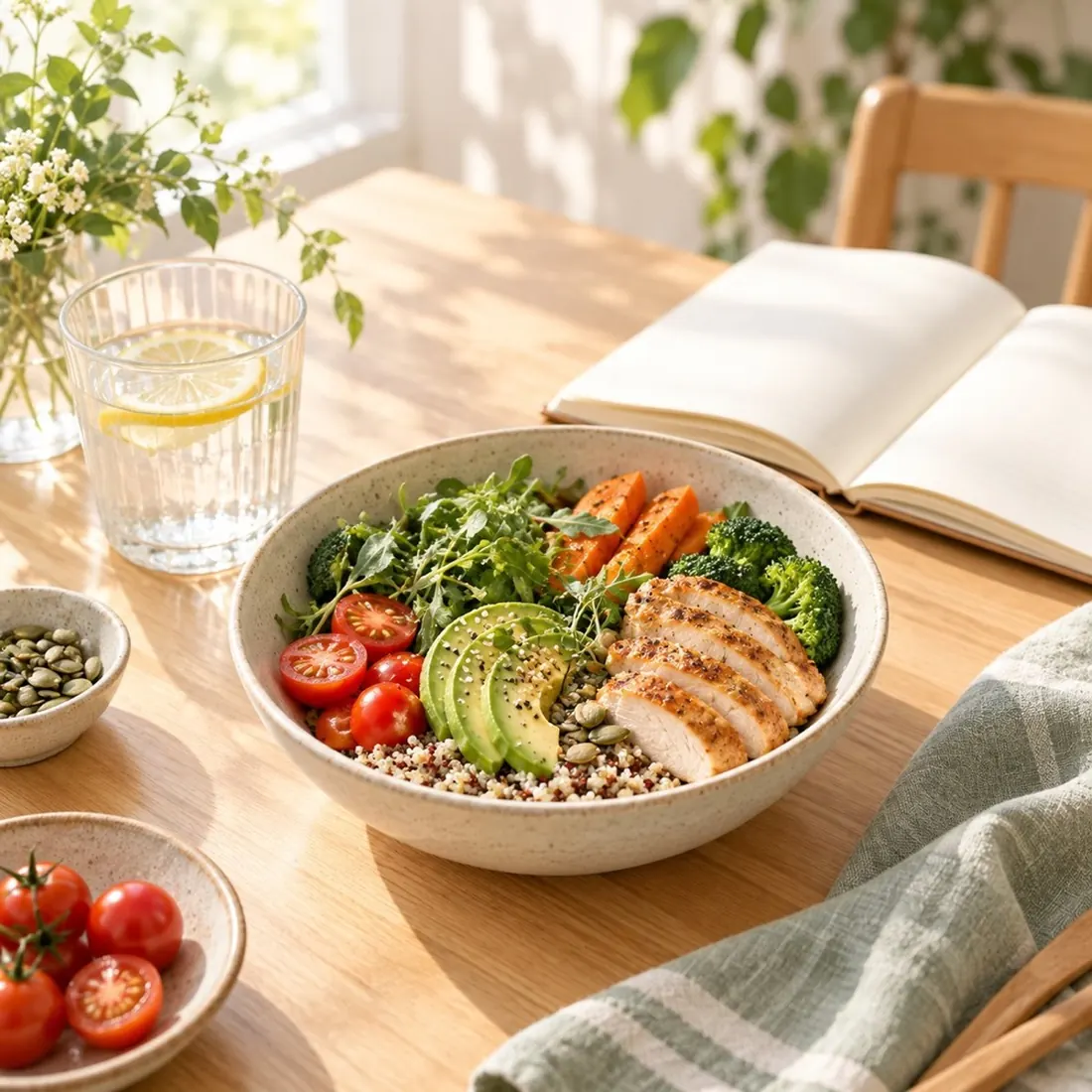
Eating out is part of a normal life, and it does not have to undo your week. What helps most is knowing what you are up against and having a few easy choices ready before you open the menu.
Restaurant meals are usually bigger than they look
When researchers measured the energy in the most frequently ordered meals at restaurants in San Francisco, Boston and Little Rock, a typical meal contained about 1,200 kcal, and 92% of meals exceeded what most people need for a single meal. Local restaurants without nutrition information were no lighter than the big chains.
Reviews of many studies point the same way: eating out of home is linked with higher total energy intake. That is not about willpower. Portions, oils and sauces in restaurant cooking are simply generous.
Almost everyone underestimates
In a study of thousands of fast food customers, adults underestimated their meal by about 175 kcal on average, and the bigger the meal, the bigger the gap. Calorie labels on menus help a little, but in a large chain the drop in calories per order after labels appeared was small and faded within a year.
So a good plan does not rely on guessing the number perfectly. It relies on a few choices that move the meal in the right direction.
Choices that make a real difference
- Decide before you are hungry. If you can, look at the menu online before you go, or decide while everyone is still chatting.
- Start from protein and vegetables. Grilled, roasted or steamed dishes with a clear protein and a vegetable side are usually the easiest base.
- Watch the extras, not just the main. Sauces, dressings, fried sides, bread baskets and drinks often add more than people expect. Ask for sauce or dressing on the side, and choose one extra you really want.
- Share, or take some home. Restaurant portions are often big enough for two. Splitting a main or boxing half is a normal thing to ask for.
- Enjoy the dish you came for. If there is one dish you love at this place, have it, and keep the rest of the meal simple.
One meal is one meal
A big dinner out does not cancel a good week. Weight changes slowly, and what you do most days matters far more than one evening. If dinner ran bigger than planned, the next meal can simply be lighter and more ordinary. There is no need to skip meals or make up for it.
If you have an allergy or a health condition
Ingredients vary between restaurants and even between days. If you have a food allergy or cannot eat something, check with the staff before you order. If you have a health condition, follow the advice of your doctor or dietitian. This article is general information.
How BiteJot AI helps
In BiteJot AI, open Eating out and take a photo of the menu. The AI reads the dish names and picks what fits your day, using what you have already eaten and the tastes you have told it, and it says why and suggests one small tip for ordering. Calories are shown as an estimated range from the dish name, because the real amount depends on the portion and how it is made. After the meal, you can log what you actually ate and check every item before saving.
Common questions
Should I eat less earlier in the day to save up for dinner out? Skipping meals often makes you hungrier at the table. A normal, lighter lunch usually works better than skipping.
Are salads always the safest choice? Not always. Dressings, cheese, croutons and fried toppings can make a salad as heavy as a main. Ask for the dressing on the side.
What if there is nothing on the menu that fits? Pick the dish closest to protein plus vegetables, ask for the sauce on the side, and enjoy it. One meal does not decide your progress.
Do calorie numbers on menus help? They help a little, and they are useful for comparing two dishes. They are still estimates, and studies show the effect on what people order is small.
Try it: snap a menu in BiteJot AI
See how it works →Bring this idea back to your own week: review your food and weight records with the AI coach, and consider one small next step.
See how the AI coach helps →